A few years back, I taught a short express first aid course at a regional sporting activities club. 2 weeks later, the club supervisor called me, his voice drinking. A gamer had actually fallen down with unexpected cardiac arrest throughout a social video game. One of the moms and dads, who had just ended up an express cpr course, started compressions while one more ordered the club's defibrillator. Paramedics later on said those very first 3 mins most likely made the distinction in between a funeral service and a complete recovery.
That is the peaceful power of fast first aid training. It does not make headings, yet it transforms end results, one case at a time.
This kind of rapid, focused training is no longer a deluxe. It is just one of the most practical means first aid certification courses in my area an area can shield itself, specifically when individuals are hectic, workplace rosters are limited, and volunteers are tough to locate. The key is to match the rate of the course with the depth of abilities that actually matter when something goes wrong.
Why "fast" training works when it is done properly
People typically listen to "fast first aid course" and presume "reduced" or "shortcut". In my experience, the best fast first aid courses are not shortcuts at all. They are firmly designed programs that remove fluff and focus on the small collection of activities that alter outcomes.
Most emergency situations follow a similar pattern. There is a short window where a couple of straightforward steps maintain a bad circumstance from getting much worse. Fast first aid training concentrates on those early mins: checking danger, calling for assistance, starting cpr training if required, and managing major bleeding. When you exercise these structures, also for a few focused hours, you build functional confidence that rollovers to genuine life.
A full day first aid and cpr course has its place, specifically for offices with greater danger or for marked first aid officers. Yet the majority of individuals in a community do not need to grasp every specific niche scenario. They need to understand how to:
Recognise a harmful emergency. Start reliable first aid and cpr within the first min or two. Use available devices, like a defibrillator, without freezing.A fast first aid course that is well structured can achieve those 3 objectives incredibly well.
What in fact transforms when even more individuals recognize very first aid
Statistics can really feel abstract, however the device is simple. When a lot more onlookers have also standard first aid training, 3 things shift in a community.
First, the "dead time" between collapse and effective treatment shrinks. In cardiac arrest, for instance, every minute without cpr lowers the chance of survival by roughly 7 to 10 percent. Fast cpr courses are essentially a community degree intervention versus those lost minutes.
Second, the high quality of first aid enhances. It is not enough that someone does "something". Poor compressions, inaccurate airway positioning, or unneeded moving of a harmed individual can restrict the benefit or develop new troubles. Also a brief express first aid training session can fix typical misconceptions, such as slapping a person having a seizure or placing something in their mouth.
Third, individuals who have actually educated as soon as ended up being supporters. I have actually seen parents that completed an express childcare first aid course go on to press their college to set up an automated external defibrillator, or small business owners who update their first aid packages and motivate their staff right into fast first aid courses. The training surges outward.
The actual difference in between fast, express, and complete size courses
Course names vary by supplier, however in practice there is a spectrum.
At one end, you have express first aid courses. These usually competed 2 to 4 hours. They concentrate on a narrow but critical capability: standard life support, cpr, choking, hemorrhaging control, and just how to turn on emergency situation services promptly and properly. An express first aid course can match area groups, busy moms and dads, or volunteers that need the basics under a tight time budget.
In the middle, you locate fast first aid training that still results in a nationally identified first aid certificate. These courses might incorporate some pre course online theory with a much shorter one-on-one functional session. There may be a "fast first aid course near me" that makes use of e finding out modules for the understanding part, so the class time is made use of nearly completely for hands on technique. For numerous workplaces, this combined layout has actually come to be the sweet spot.
On the far end rest full day, or perhaps multi day, first aid courses. These first aid and cpr courses cover a broad series of topics, from environmental emergencies to much more complex medical problems. They are vital for high responsibility duties, such as workplace first aid police officers, remote location employees, or expert carers.
Alongside basic first aid courses, there are expertises:
- Fast cpr courses and fast cpr refresher course options that focus only on resuscitation abilities, usually in 1 to 2 hours, ideal for yearly updates. Express childcare first aid course programs, built around youngsters and babies, including choking, asthma, anaphylaxis, and high temperature associated emergencies. Targeted first aid and cpr training classes for details sectors, such as construction, friendliness, or physical fitness, where the danger profiles differ.
The crucial concern is not whether a course is called "fast" or "express", yet what results it assures and just Hobart first aid courses how it analyzes competence.
What you can realistically learn in a fast first aid course
I have seen people walk right into a short first aid training session with doubts, after that leave stunned by just how much they can do. If the course is designed well, you need to be able to walk out confident in at least these areas.
You should know just how to check for risk, reaction, airway, breathing, and circulation without getting lost thoroughly. You must be able to identify when somebody is not taking a breath usually and begin cpr with firm, fast compressions in the center of the upper body. If an automatic outside defibrillator is readily available, you must feel able to transform it on and adhere to the motivates without worry of "doing it wrong".
You should comprehend the fundamentals of choking in grownups, children, and babies. That includes encouraging coughing, using back blows, and using breast drives when needed. You must recognize that for babies, the method and positioning vary, something express child care first aid training hangs around on.
You ought to exercise controlling serious bleeding with direct stress, simple bandaging, and improvised techniques when no package is nearby. There need to be clear conversation on when to utilize a tourniquet and when simple stress is enough.
Beyond the physical abilities, you must find out how to call for assistance properly, exactly how to pass on jobs to onlookers, and how to manage your very own stress in the first couple of mins. Great instructors hang out on communication and leadership as much as accessible positioning for compressions.
If a carrier is supplying a fast certification that declares to turn you right into an expert on every possible emergency situation in 90 mins, that is unrealistic. A focused fast first aid course that offers you strong standard life assistance skills, however, is extremely attainable in that window.
The compromise of much shorter courses
Shorter, faster courses are appealing, however they do involve trade offs. It is worth being sincere about them.


You cover less breadth. A fast first aid course usually concentrates on life dangers. Much less immediate, however still vital, problems like small wounds, sprains, or ecological injuries may receive just brief interest or fall outside the curriculum.
There is less time for repeating. Muscle memory comes from method. A full day first aid and cpr course could run several rounds of cpr drills, whereas a fast cpr course might just allow 1 or 2 full cycles each. The trainer must take care of timing meticulously to guarantee every individual obtains authentic hands on time, not simply seeing from the sidelines.
Individual responses is tighter. In a compressed session, the instructor might require to move promptly between individuals. This is where team size restrictions and experienced instructors issue. A tiny team in a fast first aid course can obtain virtually the same depth of responses as a longer session with a big group.
Online theory can create an incorrect complacency. Blended courses that integrate self paced e discovering with in person abilities evaluation work when people really finish the pre job effectively. When they hurry via the modules just before class, their understanding may be shallow. Liable carriers construct in quick understanding checks during the practical session to capture and remedy any gaps.
The secret is to match the course style to your demands. A moms and dad that just wants to know exactly how to handle choking and basic cpr could really favor an express cpr course, then duplicate a fast cpr correspondence course annually. An office safety policeman, on the various other hand, ought to devote to a much deeper first aid course with more circumstances and assessment.
How repeating and refreshers maintain abilities alive
First aid skills discolor. That is not an ethical failing, it is just how memory helps hardly ever made use of tasks. I have examined individuals twelve month after a first aid and cpr course and seen compression deepness, price, and hand setting deteriorate significantly.
Fast correspondence course are one of the best methods to counter that all-natural degeneration. If your initial training was strong, a short express cpr training session every 6 to 12 months can recover your technique swiftly. The very same holds true for various other core abilities like making use of a defibrillator or handling choking.
From an area perspective, it often functions far better to have people complete an obtainable fast first aid course originally, after that installed shorter, routine refresher courses. This version maintains skills closer to the surface area and values the reality of active timetables and shifting lineups. It likewise minimizes the mental barrier of "I do not have a full day to give up", which is a common factor people avoid first aid training altogether.
Some work environments schedule quarterly mini sessions, 20 to 30 minutes each, where staff cycle via cpr manikins and situation conversations. Others book an annual fast cpr refresher course for all staff, while designating a smaller sized group to complete even more extensive first aid and cpr courses every 3 years. The pattern matters less than the consistency.
The special case for childcare and youth settings
Whenever I educate very early youth instructors or moms and dads, the stress and anxieties are various. People stress over small airways, allergies, high temperatures, and the concern of "breaking" a kid with compressions.
Express child care first aid courses exist completely reason. Kids and infants present differently to grownups. Anaphylaxis in a youngster, for instance, can move frighteningly fast. Asthma assaults could escalate during play or sport without much warning. Choking incidents are even more typical amongst young children than grownups, and the physics of their bodies require different techniques.
An express child care first aid course commonly focuses on:
- Infant and kid cpr, consisting of secure compression deepness and ratio. Choking in infants and kids, with emphasis on positioning and gentle yet efficient force. Asthma emergencies, including inhaler and spacer use. Allergic responses and anaphylaxis, with method using adrenaline injector training devices. Fever, seizures, and head injuries, consisting of warning indicators that require urgent clinical review.
For childcare facilities, kindergartens, and colleges, normal express child care first aid training is just one of one of the most essential security investments they can make. It also calms team and parents. When educators understand they have actually practiced these particular circumstances, they rest a little easier.
Choosing a fast first aid or cpr course that actually prepares you
Not all first aid training is equal. If you are scrolling with search results page for a "fast first aid course near me", you could see glossy pledges and price cut deals. Look past the advertising and focus on a couple of core questions.
Who certifies the provider, and does the course bring about an acknowledged first aid certificate where required? For work environment compliance, your organisation may have lawful commitments that define a certified carrier or specific systems of competency.
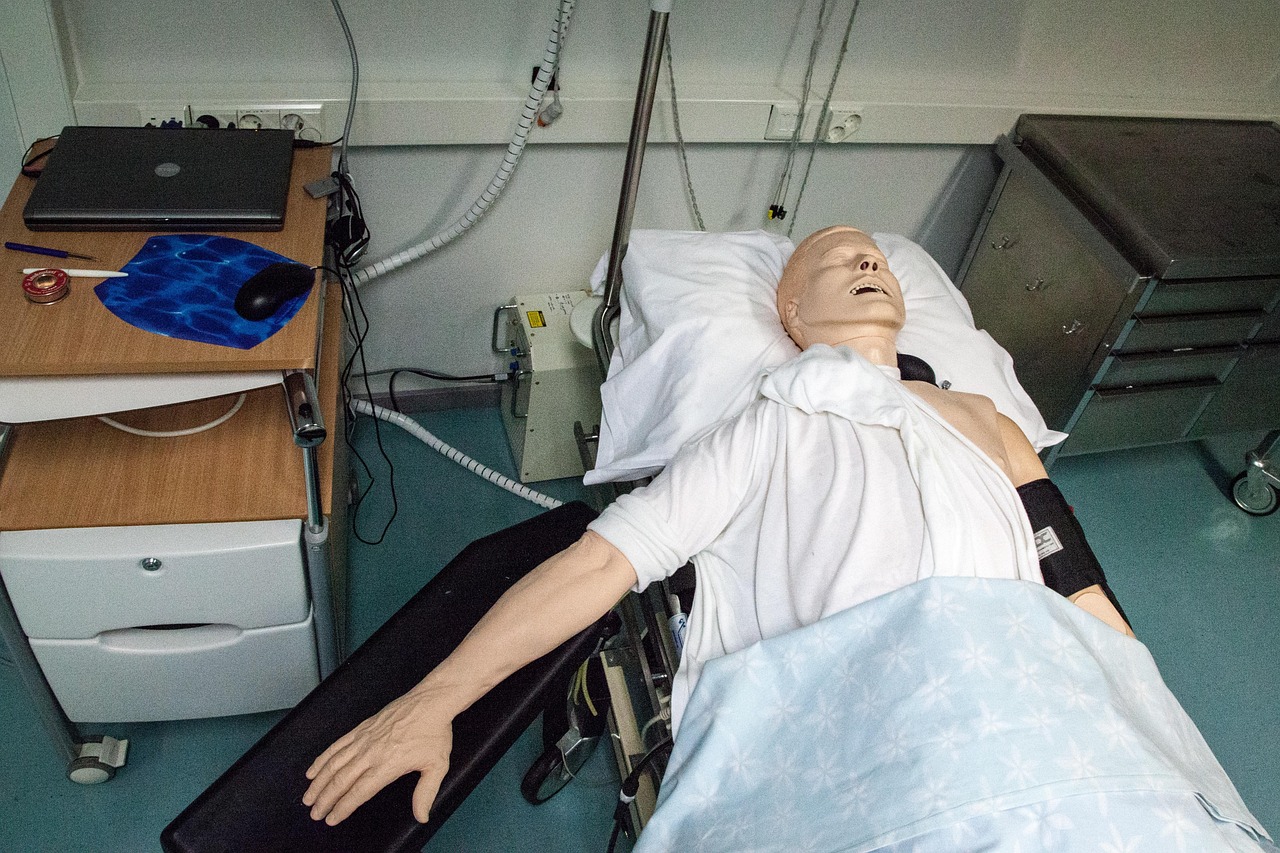
How much hands on practice is built into the schedule? If a 2 hour cpr course is set up for 30 individuals with a solitary instructor, you will certainly not get the technique and responses you need. Many excellent cpr training programs limit team dimensions or offer assistant trainers.
What is the background of the instructors? Experienced trainers, often with medical or emergency situation feedback experience, bring nuance and genuine stories that pure concept instructors lack. They can discuss why standards transformed, share what actually happens throughout a 000 or 911 call, and assist you browse the unpleasant reality where individuals panic or problems overlap.
How typically does the service provider update their content? First aid standards change as proof develops. Cpr compression depth referrals, use of oxygen, and administration of anaphylaxis have all changed gradually. A quality carrier reviews the most recent advice from reliable resuscitation councils and governing bodies.
Is there a clear path for refreshers? Fast first aid courses shine when they are part of a recurring knowing plan, not a one off tick box. Try to find carriers that provide express cpr courses, fast cpr correspondence course options, or short circumstance based sessions at affordable intervals.
Building a society of first aid in your neighborhood area
Individual training issues, but a really secure neighborhood expands from society. I have actually seen suburbs where practically every sporting activities club, institution, and small company has staff with current first aid and cpr training. Those are the places where spectators step in without hesitation.
If you wish to enhance first aid capacity where you live or function, a couple of methods tend to work well.
First, normalise first aid training in social teams. When one first aid course express parent suggests an express first aid course for the mommies team, uptake is typically high. Individuals really feel extra comfortable learning alongside pals, and the shared experience encourages them to maintain skills current.
Second, link training to visible adjustments. After a fast first aid training session, examine your regional centers. Are first aid sets stocked and available? Exists a defibrillator, and do individuals know where it is? Tiny, concrete renovations enhance the worth of what has been learned.
Third, treat first aid as a common obligation rather than an expert job. Rather than relying on a single "first aid person" at every event, go for broad coverage. Also if a single person holds the key first aid certificate, others can finish much shorter express cpr training or fast first aid courses so they really feel able to assist.
Fourth, talk honestly about near misses out on and successes. When somebody uses their training, whether at work, at sporting activity, or at home, share the story with their authorization. These actual experiences are a lot more persuasive than any type of sales brochure. They likewise help others imagine themselves stepping forward.
What it feels like to utilize your training
People often stress they will ice up or forget everything under pressure. That concern is reasonable, and it is one reason good training matters. Method does not turn you into a robot who smoothly remembers every step, yet it offers you a starting point.
One of my former students, a young hospitality worker, explained her very first actual emergency situation. A client had actually broken down in the coffee shop. She stated her mind went blank for a minute, yet her body began moving. She looked for action, yelled for somebody to call an ambulance, and started compressions equally as we had exercised. Just after paramedics took over did her hands begin shaking.
That pattern is common. In the moment, you may not recall every information of your first aid course. What brings you is a few practiced routines: appearance, listen, feel, act. A fast first aid course that drills those routines properly deserves much more than a lengthy course you hardly engaged with.
People often apologise afterward, saying, "I do not think I did it flawlessly." Excellence has actually never ever been the requirement. Beginning is. Incomplete compressions are much better than none. A slightly uncomfortable recuperation setting is better than leaving someone flat on their back. Fast first aid has to do with moving the feedback from hesitation to action.
Making first aid training practical and humane
Technical abilities issue, yet so does the human side. A good first aid and cpr course, even a brief one, ought to prepare you for the emotional texture of emergencies.
Emergencies are loud, messy, and full of competing voices. You might need to offer guidelines to complete strangers, comfort member of the family, or manage your very own concern of making points even worse. In my classes, I encourage basic, clear language: "You, call a rescue." "You, obtain the first aid kit." This type of instruction interaction feels unnatural initially, specifically in cultures that worth politeness, but it prevents confusion.
There is additionally the consequences. Utilizing cpr on a coworker or unfamiliar person is a substantial psychological occasion. Lots of people really feel uncertain for days or weeks. Some replay the event in their minds, considering what they could have done in a different way. Comprehensive first aid courses in some cases discuss debriefing and support, however fast courses commonly skip this.
If you have actually utilized your skills, it is handy to speak with someone who recognizes, whether that is the trainer, an associate, or an expert. Advise yourself that acting, even imperfectly, is a profound service. When neighborhoods promote fast first aid and cpr courses, they ought to also promote a culture of look after those that step in.
Practical next steps
If you have reached this factor and are assuming, "I should most likely do something about this," after that one of the most beneficial step is very simple. Pick a realistic starting factor and devote to it.
You might reserve an express cpr course this month, after that schedule a longer first aid and cpr course later on in the year. You could talk with your college, sporting activities club, or workplace regarding bringing in express first aid courses or express childcare first aid courses for your team. You may be the person who recommends a yearly fast cpr refresher course as part of your organisation's security routine.
Whatever course you pick, aim for training that:
- Gives you significant, hands on practice. Focuses on the very first couple of minutes of genuine emergencies. Connects you with a network of others who share the responsibility.
A fast first aid course is not simply a line on a resume or a work environment requirement. It is a quiet guarantee you make to individuals around you. When something fails, you will not stand back and view. You will understand the fundamentals, you will start, and that may be all that is required to maintain somebody to life up until help arrives.